Playing volleyball brings people together, no matter who they are, seen everywhere from school gyms to world championships. Though men’s and women’s teams use identical courts, nets, and team sizes, those familiar with both quickly notice something deeper, it often seems like watching separate games unfold. Speed shifts, body movements, choices during rallies, even how points build up, each leaves its own mark. These contrasts aren’t imagined; they show up clearly when you pay attention. For insight into what actual players observe, The Declaration connected with students involved in both formats firsthand.
Common Ground: What Both Games Share
At its core, volleyball is volleyball. Whether you are watching a men’s match or a women’s match, the fundamental structure of the game remains unchanged. Both versions feature six players per side, three sets of rotations, and the same objective: send the ball over the net and prevent it from hitting your side of the floor. The skills required, passing, setting, hitting, blocking, and serving, are universal, and elite athletes on both sides of the gender divide train with extraordinary dedication to master them.
Both forms of the game also demand exceptional teamwork and communication. A volleyball team that cannot communicate on the court, whether it is calling for the ball or organizing a defensive rotation, will struggle regardless of how physically gifted its individual players are. Tactical awareness, the ability to read the opposing team’s tendencies and adjust in real time, is equally critical in both men’s and women’s play.
Sandy, a women’s volleyball player interviewed by The Declaration, acknowledged that both versions of the game command attention and respect in their own right, noting that she enjoys watching women’s volleyball “for their defense” and men’s volleyball “for their offense.” That split perspective, appreciating each version for what it does best, captures the nuanced relationship many fans have with both games.
The Biggest Differences: Pace, Power, and Physicality
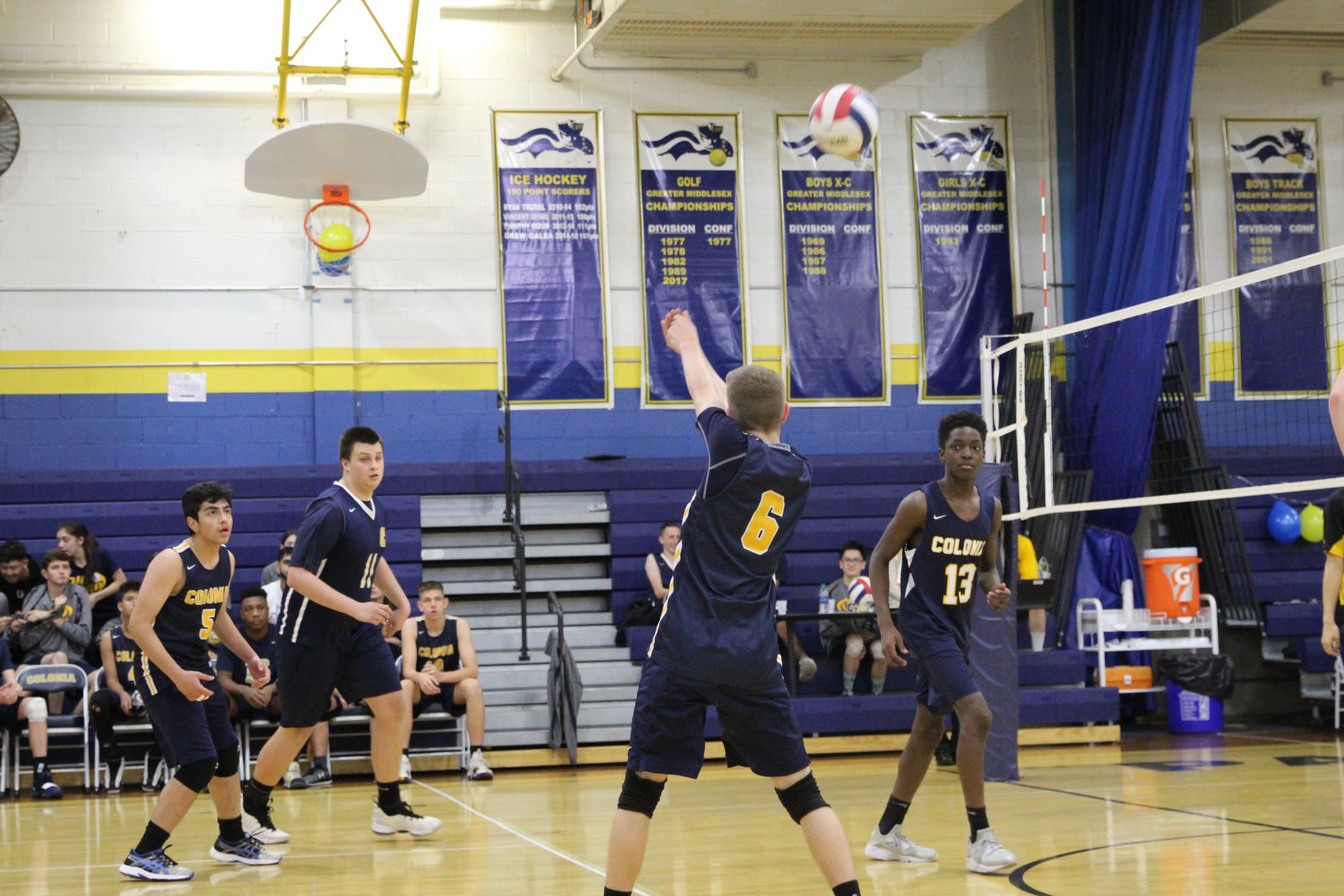
Pace. That single idea comes up again and again when talking about how men’s and women’s volleyball differ. Almost everyone asked brought it up without needing a hint. The game moves quicker on the men’s side, serves fly harder, sets happen in flashes, spikes strike with sharper force.
Speed. That’s what Joel notices most when he watches volleyball matches at Colonial High School, where he plays on the men’s team. The game moves quicker, he says, not pausing before adding his view straight out. Faster rallies, harder hits – those stand out right away. Watching the women compete, especially teams still learning, feels drawn out now and then, in his eyes. Pauses stretch longer between points. Energy dips. He does not sugarcoat it: some games just lack spark for him. Boring, even. These thoughts come without hesitation.
Out here on the court, Tomi sees things a certain way. One big thing stands out when comparing both games, speed splits them apart. The men play quicker, he notices, their rhythm rushing forward without pause. Offense drives everything they do. Defense? Not so much. On the women’s side, it feels different. Slower builds, more caution. Each move seems measured. They hold back just enough to stay safe. That balance shapes how the whole match flows
That gap comes down to basic physics. Usually, male athletes have stronger arms and jump higher, so their hits fly quicker across the net. Joel put it plain: “Men’s volleyball, they usually be swinging mad hard.” Hits like that carry serious power, speeds spike fast enough to rattle any block. Reaction windows shrink when spikes come screaming through the air.
Starting with Nico, libero by position, his partner deep in volleyball too, he pointed at raw power as the core gap between men’s and women’s play. Strength, he claims, shapes everything. Not just effort, yet the entire rhythm shifts because of it. His take? Male athletes drive spikes with more force, altering how rallies unfold. This one trait, hitting intensity, reshapes defense, timing, even court spacing without notice. From that first explosive contact, consequences ripple through each move, choice, moment after.
Offense vs. Defense: A Tale of Two Philosophies
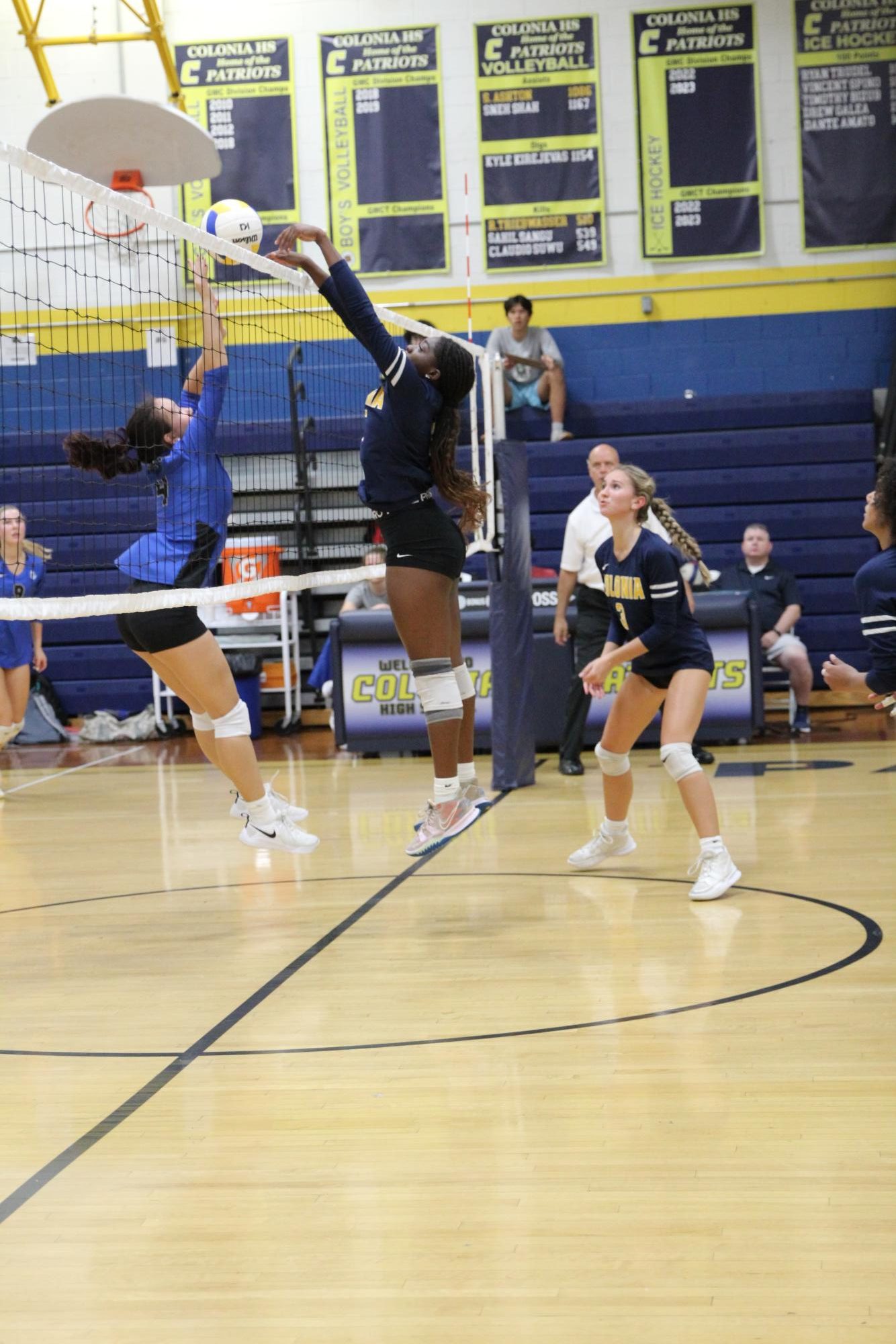
Offense grabs center stage when men play volleyball. Because spikes carry so much force, receiving them cleanly feels nearly impossible at times. Quick exchanges happen more often, cutting down rally lengths dramatically. Points wrap up fast under such pressure. When women compete, smashes usually lack that explosive intensity. This opens space for defenders to step into the spotlight. Their role grows bigger, shaping how teams plan their moves. Strategy leans heavier on staying steady in the back row. Tough digs turn into turning points.
Suddenly, Sandy shared what she’d seen firsthand. Because the shots aren’t quite as fast, retrieving them feels less demanding, she said. That shift opens space for strategies rooted deeply in defense, ones that crumble under the force and rhythm of men’s play.
Instead of raw strength, women’s volleyball leans hard into careful aiming. Joel pointed out how players aim for specific zones to score. He mentioned that their game feels more thought-out. Hitting precise gaps matters most when spikes lack force. Angles get manipulated. Defenders are made to scramble sideways across the court. That sharp decision-making takes over when overpowering hits won’t finish the rally.
Nico reinforced this analysis with clarity. “Women’s volleyball teams center their teams more around defense than offense. And men’s volleyball teams, it’s more the other way around,” he said. He also noted that this difference is more pronounced at lower levels of competition, where the gap in athleticism between men and women is more visible. “Women’s volleyball can be a bit more like placement and technical at times when it’s lower levels,” he explained.
Could They Cross Over? The Gender Gap in Perspective
What stood out most in those talks was an offhand question about switching games. Would you be able to compete if dropped into the opposite format? Responses showed something clear, not just preference, but a noticeable divide in how each version moves and feels. The difference isn’t small. It reveals real contrasts in speed, reach, force, things you can’t fake once you’re on the court.
Out of the blue, Sandy spoke plainly about facing male players. Though skilled in women’s volleyball, she admitted the difficulty felt real when stepping onto their court. A different net height changes everything, she wouldn’t strike the ball with enough force to matter, not without precision. Instead of raw strength, touches and angles would carry her through. Without warning, she noted how speed plays a role too. Matching their rhythm? Nearly out of reach. Most times, timing just doesn’t align.
Laughing off the idea, Tobiah, volleyball player, moves between outside and right side spots on his club squad, knew where he stood. Asked if she’d stand a chance playing against men, out came the reply: “Benched, I think… though who knows?” Not bragging, just truth dressed up in humor, showing how wide that strength divide really sits between top male and female athletes.
Yet the men questioned felt sure they could adjust to women’s volleyball. Playing outside hitter lets Joel use his offense even without heavy power, so he’d join there. He thinks it fits how he plays. Slower speed suits Nico too, since defense matters more in that version of the game. His experience at back-row duties lines up well. That shift feels natural because positioning outweighs raw strength now.
Rallies and Rhythm: How the Tempo Shapes the Viewing Experience
Nowhere else does motion feel quite so sudden. Watch how power reshapes each moment in men’s volleyball. One instant the ball rockets off a serve, then swiftly lands in the opponent’s zone before most reactions catch up. Quick hands snap it forward, a setter flicks, an attacker drives downward without warning. What feels like chaos actually follows tight patterns. Moments stretch thin when plays unfold fast, sometimes ending by the third contact. Energy stays high even as silence returns between points.
Longer back-and-forths often show up in women’s volleyball. Right away, Nico pointed that out: “Girls’ volleyball has so many rallies, unlike boys’ where it ends fast.” These drawn-out sequences build a quiet intensity, watching a team claw through twelve touches just to score feels different than seeing someone spike hard on the first hit; yet both pull people in, especially those who notice how skill shapes each move.
In the end, volleyball for men and volleyball for women brings its own strengths to those who play and watch. Patience matters most in the women’s version, along with sharp accuracy and tough defense. On the flip side, the men’s side thrives on physical strength, sudden bursts of energy, moving fast without slowing down. Side by side, they show how wide-ranging the sport truly is, news from places such as Colonial High School shows people notice these differences more than ever.
Conclusion: Two Games, One Sport
Volleyball for men and women begins with identical rules. Over the net, things look familiar. Same size ball flies back and forth. Heartbeat behind top-level play beats just as fast either way. Yet those contrasts, how fast things move, how hard players hit, their stance on defense, the way strategies unfold, are clear. Not imaginary. How matches take form grows from these choices. Coaches adjust because of them. Eyes tracking the field notice too. Even enjoyment shifts, quietly, depending on what’s emphasized.
Out loud come Sandy, Joel, Tomi, Tobiah, Nico, shaped by years of watching, playing, living both games. Not one puts down the other; instead they see separate strengths taking shape. What stands clear through their eyes? It’s not comparison that matters, but clarity on what gives each its pulse. Listen close to Tomi: she names just two things, then stops. Pace. Intensity. From there, everything splits apart naturally.